1
“Every new item creates incremental sales.”
A new SKU may transfer demand from an existing item, dilute velocity, create out-of-stocks, or add cost without growing the category.
C9 • Product Assortment Mini-Course
Learn how to evaluate one real SKU decision at one retailer—so you can decide what to add, keep, fix, replace, or remove without guessing, protecting weak items, or creating unnecessary complexity.
Includes the course example assortment tool • 14-day guarantee
The real assortment problem
A product can be “good” and still weaken the assortment when it duplicates another item, confuses the shopper, fragments velocity, increases operational complexity, or no longer supports the retailer’s strategy.
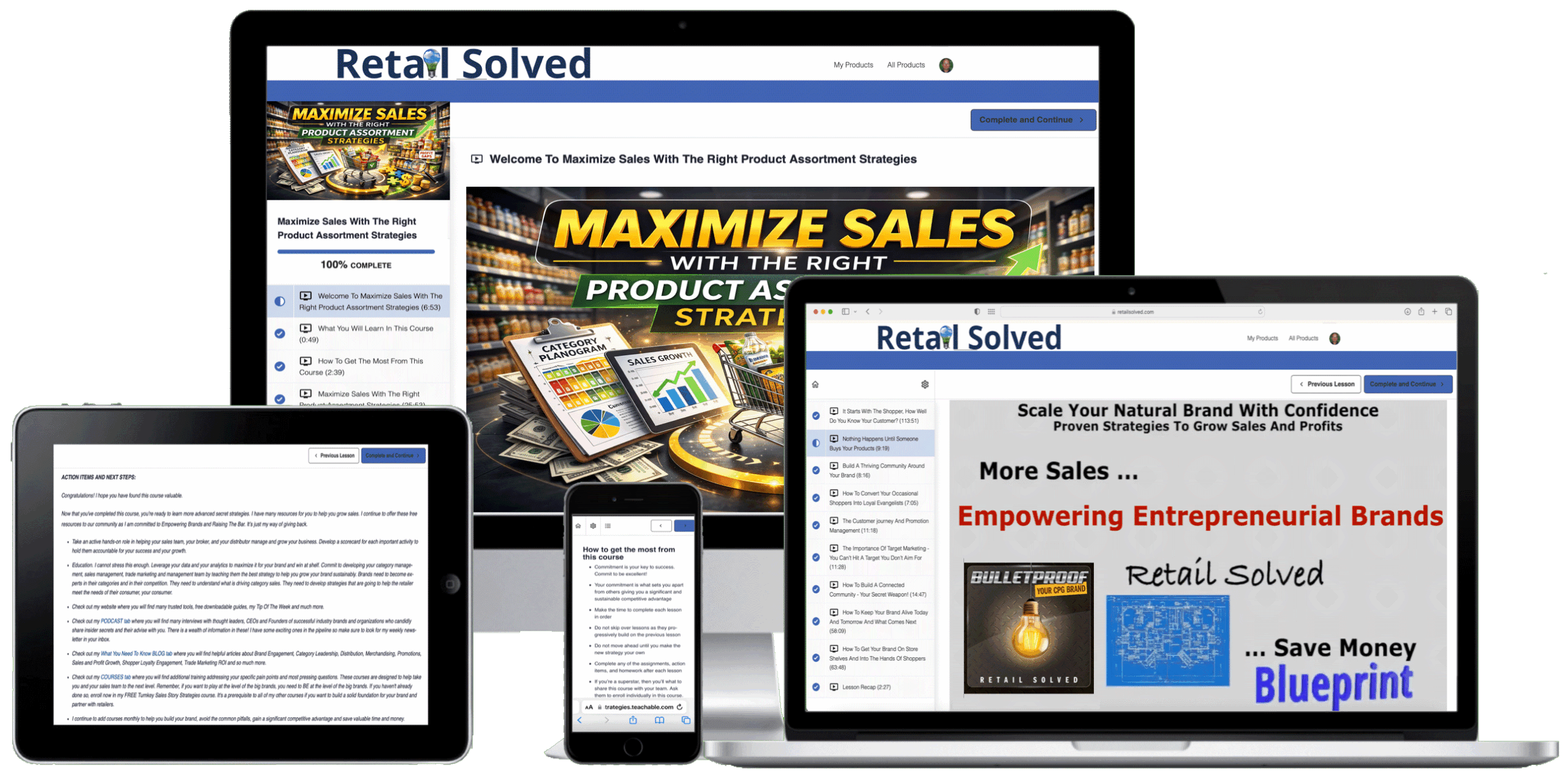
Watch the course preview
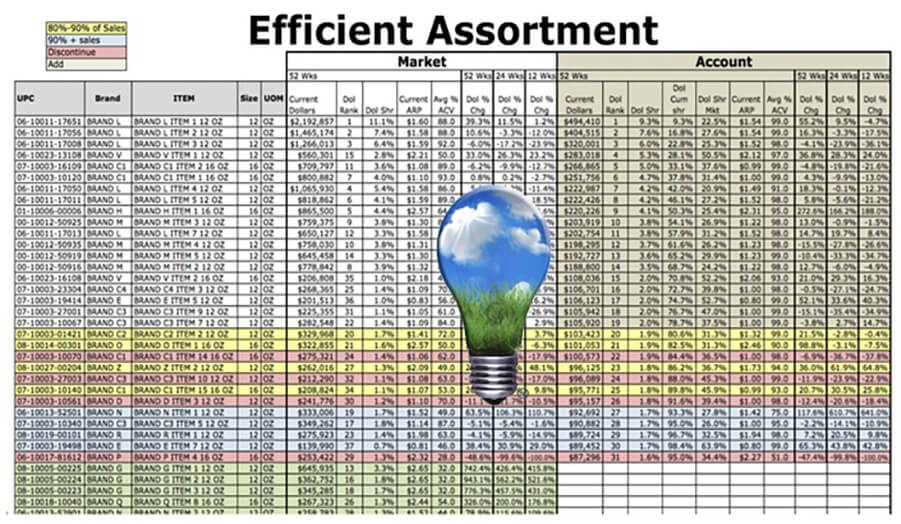
The course shows how to compare item performance, retailer results, market performance, category roles, shopper needs, and available shelf space before recommending a change.
The three beliefs that weaken assortment decisions
A new SKU may transfer demand from an existing item, dilute velocity, create out-of-stocks, or add cost without growing the category.
Rank is a starting point—not the decision. A small item may serve a unique shopper, trip mission, price point, format, or gateway role that the ranking report cannot see.
Market performance creates a hypothesis. Retailer fit, shopper composition, economics, availability, shelf placement, and execution still determine the result.
What you will learn
The practical decision
The decision is not always “keep” or “delete.” Sometimes the right move is to fix the execution, reposition the item, or run a controlled test.
A meaningful gap exists, the item has a clear role, the shopper fit is credible, and the economics and execution plan support the opportunity.
The item has a distinct job, protects shopper choice, strengthens the category, or contributes value that rank alone does not reveal.
The item may be strategically right but underperforming because of availability, placement, price, promotion, communication, or execution.
The item duplicates another SKU, lacks a defensible role, underperforms after context is considered, and a stronger use of the space exists.
Five lenses for a stronger recommendation
A small pocket pack looked expendable when judged by volume alone. A deeper analysis revealed that it served an impulse and trial role and helped introduce shoppers to the broader facial-tissue franchise.
The lesson is not that every low-volume SKU should stay. The lesson is that the item’s job must be understood before the team removes it.
The quick win
Choose one live SKU decision at one retailer. Use the course to build a recommendation that another person can understand, challenge, and act on.
What changes
How I learned it and earned it
My category-management work included building retailer-facing tools, comparing account and market performance, identifying assortment gaps, and helping teams decide which products deserved more—or less—space.
The strongest recommendations did not begin with “keep my SKU.” They began with the shopper, the category, the retailer’s objective, and the facts needed to make a better decision.


Your instructor
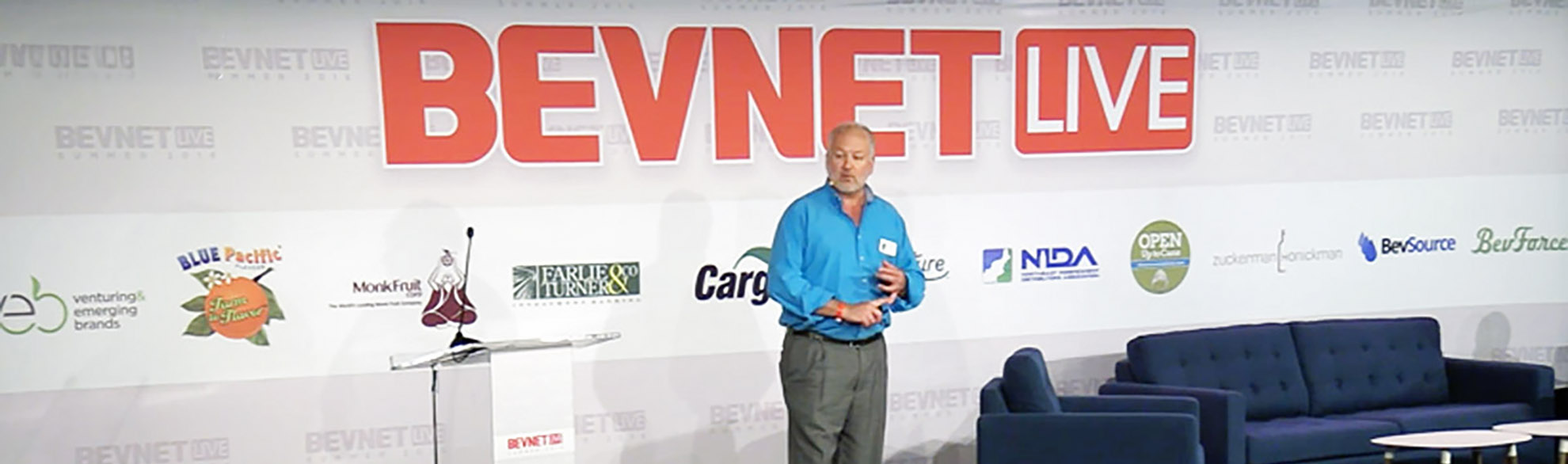
I have spent decades helping brands and retailers understand what is really driving category performance, where the assortment is creating friction, and how to make recommendations that protect shopper choice and profitable growth.
This course gives you a practical way to evaluate one real assortment decision now—and a repeatable framework you can apply across additional SKUs, retailers, categories, and channels.
Frequently asked questions
No. You can begin with retailer POS, distributor reports, shipment data, broker files, internal scorecards, or another consistent source. Better coverage and cleaner comparisons improve the recommendation.
Not always. Shelf resets, new fixtures, expanded facings, seasonal sets, online assortments, and other changes can create space. The useful discipline is to identify where the space will come from and what the new item changes in the existing assortment.
No. Rank is a screening tool. Before removing an item, evaluate its shopper role, profitability, distribution, availability, promotion, placement, incrementality, and relationship to the rest of the assortment.
Choose one SKU at one retailer and complete an Assortment Decision Brief: define the item’s role, compare performance, test alternative explanations, and recommend add, keep, fix, or replace.
The current course materials reference a downloadable efficient-assortment example. Confirm that the file is present and working inside the course before publishing this page.
You have 14 days to review the course. If it does not give you practical ideas you can use to improve one real assortment decision, email Retail Solved and your purchase will be refunded.
One shelf. One clearer role.
Stop protecting every item by default. Use one real decision to build a stronger, simpler, more defensible assortment.
Instant access • Regular price $297 • 14-day guarantee