1
The product blends into the shelf
It lacks a clear role, comparison point, need-state connection, or reason for the shopper to stop.
C15 • Shopper-First Merchandising Strategy Mini-Course
Build a retailer-ready merchandising growth plan for one SKU at one retailer, based on how shoppers find, compare, understand, and choose.
Instant access • Practical course • 14-day guarantee
The big shift
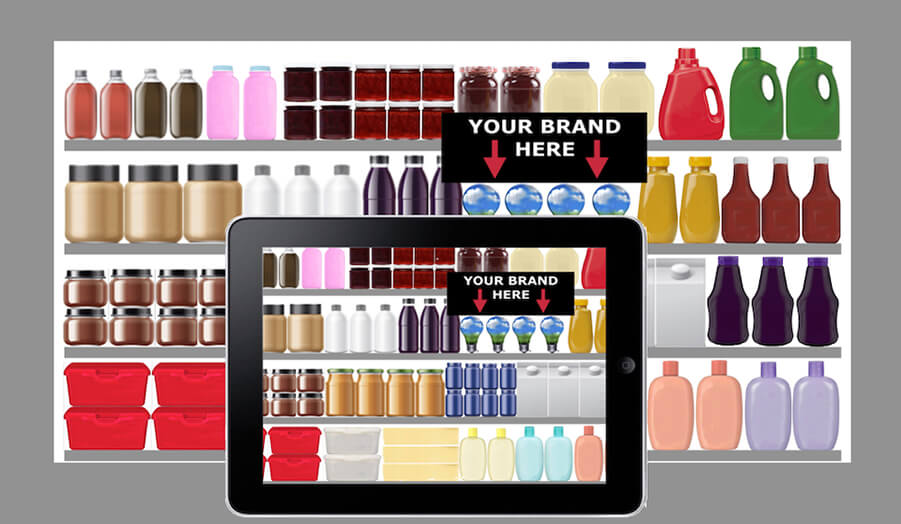
Merchandising works when it helps the shopper notice the product, understand why it matters, compare it easily, choose it confidently, and find it again.
Watch the course preview
You will learn how to identify the merchandising opportunity, choose the right strategy, build the retailer case, define the economics, and measure whether the test changed shopper behavior.
Why shelf presence underperforms
It lacks a clear role, comparison point, need-state connection, or reason for the shopper to stop.
The recommendation is built around what the brand wants—not how the shopper decides or what the retailer is trying to accomplish.
There is no baseline, business question, test period, owner, KPI, or rule for what should happen next.
What you will learn

Choose the right merchandising lever
Every recommendation should be retailer-approved, operationally realistic, financially sound, and tied to a clear business question.
Place products within the primary comparison set so shoppers can evaluate alternatives more easily.
Use an authorized second location when the shopper has more than one logical path to the product.
Connect products that solve the same trip mission, meal, occasion, or need state.
Create a temporary, retailer-approved placement tied to a promotion, event, season, or shopper mission.
Coordinate email, social, retailer media, search, store locator, pickup, and shelf messaging around the same objective.
How I learned it and earned it
These are specific examples from my earlier retail and field-sales work. They show why placement, shopper logic, support, and execution matter. They are not promises of typical results.
Results depend on the retailer, category, economics, timing, inventory, shopper demand, execution, and many other variables.
The quick win
Choose one SKU at one retailer and define the shopper problem, the merchandising hypothesis, the commercial requirements, and the decision you will make after the test.
What changes
Retail credibility
I have spent decades studying how shoppers navigate categories, how retailers make decisions, and how brands can turn a placement into a practical growth opportunity.


Your instructor
I help emerging CPG brands connect shopper behavior, category strategy, retail economics, and execution so that merchandising decisions support profitable, repeatable growth.
This mini-course helps you turn one shelf opportunity into a practical test the retailer can understand, the team can execute, and the brand can learn from.
Frequently asked questions
Not necessarily. The course begins by clarifying the shopper problem and retailer objective. Some opportunities require investment. Others come from better placement, stronger adjacencies, coordinated timing, clearer communication, or using the investment you already make more effectively.
Only when the retailer authorizes it and the work complies with retailer policies, planograms, labor rules, vendor agreements, and store instructions. The course helps you build the strategy and retailer case; it does not replace retailer approval.
Begin with the shopper problem. Integrated, dual, complementary, incremental, and digital-to-store merchandising solve different problems. Choose the simplest retailer-approved test that answers the most important question.
Set a baseline and define the measurement before the test. Consider sales, units, distribution, availability, inventory, price, promotion, display compliance, trade spend, deductions, forward buys, repeat behavior, substitution, and other factors that could influence the result.
C15 helps you choose and justify the merchandising growth strategy. C14 helps you define the execution standard, ownership, proof, and correction process once the strategy is approved.
You have 14 days to review the course. If it does not give you practical ideas you can use to improve a real merchandising decision, email Retail Solved and your purchase will be refunded.
Turn shelf presence into shopper action
One SKU. One retailer. One merchandising growth test.
Instant access • Regular price $297 • 14-day guarantee