1
"The broker owns the strategy."
The broker can help execute and sharpen the plan. The brand must still own the shopper, category, retailer, product, and growth strategy.
C13 • Broker Effectiveness Mini-Course
Get clearer expectations, stronger accountability, and more reliable retail execution from the broker relationship you are already paying for.
Start with Broker Effectiveness for $97 or choose the complete 11-course Retail Operating System™ for $597 on the next page.

The gap between the plan and the shelf
The strategy can look right on paper and still lose value in execution. The report may eventually show weak sales. It may not tell you whether the shopper ever had a fair chance to respond.
Why the broker matters
They should not own your strategy. But they can help you see field conditions sooner, bring back useful evidence, and protect the plan from execution surprises while there is still time to act.
That is the capability this course helps you build.
The expensive misunderstanding
A broker may represent many brands, manage hundreds of items, support several retailers, and work within systems designed to create consistency across the portfolio.
Watch the course preview
Learn why good brokers drift when the operating expectations are unclear—and how to create a simple rhythm that helps both sides succeed.
The three beliefs that keep brands stuck
The broker can help execute and sharpen the plan. The brand must still own the shopper, category, retailer, product, and growth strategy.
You do not need another full-time job. You need a clear decision, an owner, expected evidence, and a predictable review rhythm.
Sometimes the fit is wrong. But changing partners without changing the operating model often recreates the same frustration with a different company.
Already used the free Broker Advantage resources?
The 5-Minute Broker Advantage Check™ helps you capture what is changing in the field. The Broker Advantage Playbook™ helps you create a clearer assignment. C13 goes deeper into the repeatable system behind communication, evidence, accountability, meetings, scorecards, retailer feedback, and follow-through.
What you will learn
The quick win
Do not begin by trying to repair every account, region, and broker team at once. Start with one broker, one retailer, and one priority where better clarity can change the result.
What you can put to work
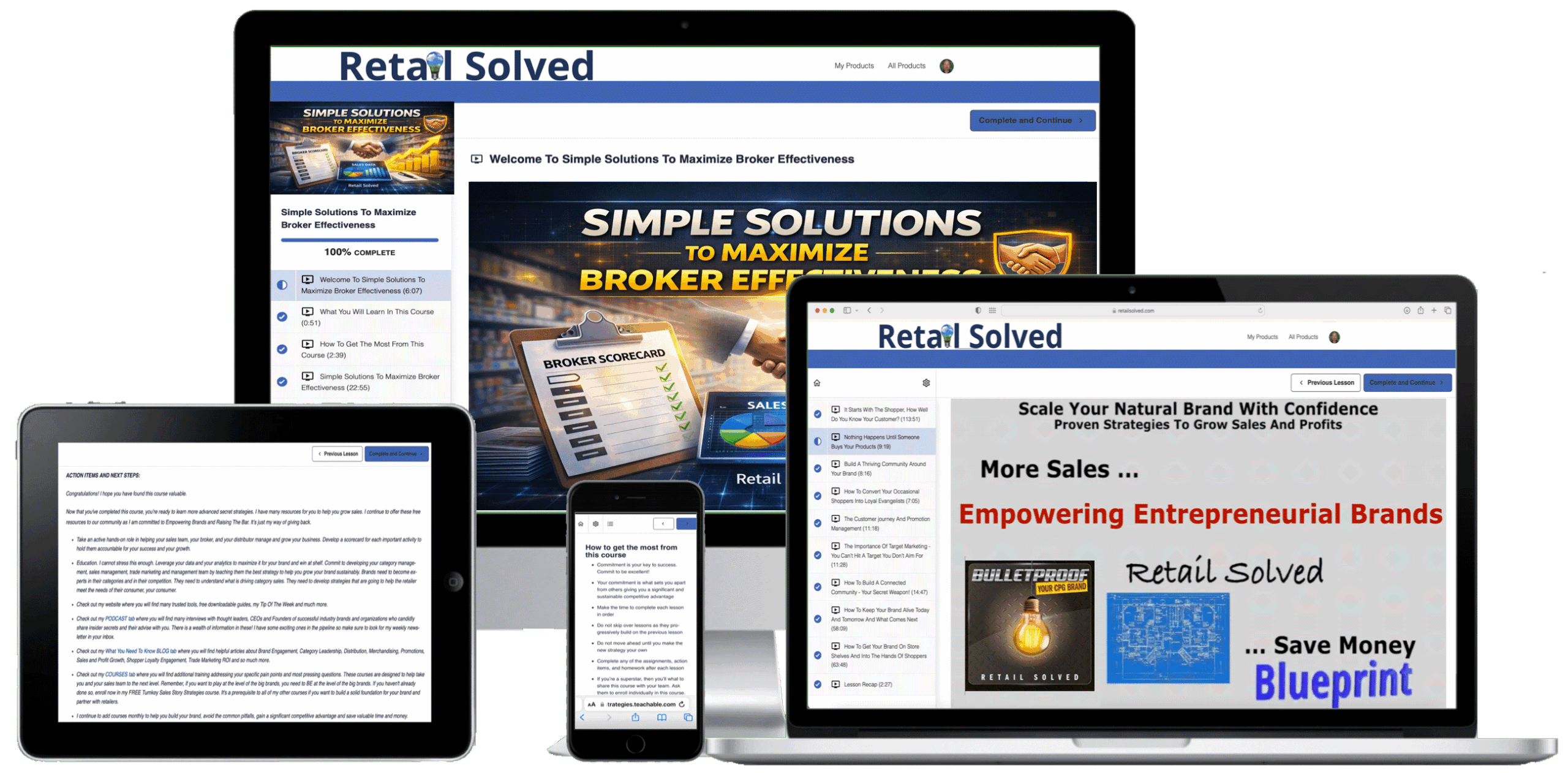
The course is not designed to give you more broker theory. Use these tools to make one live relationship clearer.
Track the broker or rep, retailer, current priority, expected action, evidence due, due date, result, and next action.
Turn a status update into a decision meeting: priority, what happened, evidence, and the next action with an owner.
Define one retailer priority, equip the broker, review field evidence, then decide what to repeat, revise, escalate, or stop.
How I learned it—and earned it
I did not choose broker effectiveness as a specialty. The industry kept handing me the problem. I was asked to manage broker performance and build tools around it at Unilever, did similar work at Kimberly-Clark, and later worked from inside a broker environment while supporting SPINS customers and reporting tools.
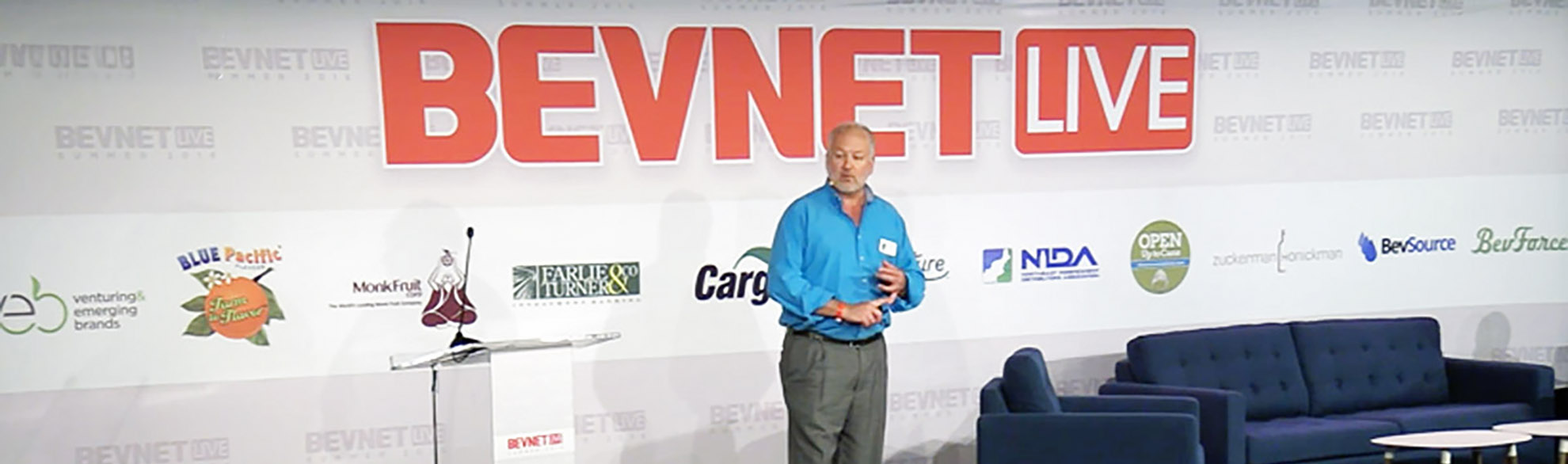
When I began writing about what I was learning, the questions kept coming. That work helped lead to hundreds of published industry articles, speaking and keynote opportunities, and brands bringing me in to train senior leadership teams on broker and trade effectiveness.
The lesson was never that brokers are bad. The lesson is that a shared sales force can create enormous leverage when the brand supplies clear priorities, useful tools, shopper and retailer context, evidence, and accountability.

What changes

Your instructor
I have worked across store operations, field sales, broker management, category management, mainstream CPG, natural and better-for-you CPG, syndicated data, trade, retail execution, and founder leadership.
I also know what it feels like to be the founder depending on outside partners to represent the brand well. This course is designed to give you a practical first step—not another theory-heavy project.
Frequently asked questions
No. The goal is to help good brokers succeed and help the brand become a better partner. Clear expectations, useful tools, focused priorities, and accountability improve the relationship for both sides.
The course helps you separate a clarity problem from an execution, capability, or fit problem. That gives you better evidence before you renew, restructure, or replace the relationship.
No. Begin with the broker updates, sales reports, retailer priorities, and information you already have. The goal is a clearer management rhythm, not another software purchase.
CPG founders, CEOs, sales leaders, and brand teams that use a broker or outside sales partner and want clearer progress, stronger execution, and fewer recurring surprises.
Apply the framework to one broker, one retailer, and one priority as soon as you complete the course. The first goal is not a company-wide transformation. It is one clearer plan and one better conversation.
The free Check helps you capture field reality. The Playbook helps you create a clearer assignment. C13 helps you build the repeatable management rhythm behind the relationship: expectations, evidence, scorecards, meetings, accountability, retailer feedback, follow-through, and the ability to separate a clarity problem from an execution, capability, or fit problem.
You have 14 days to review the course. If it does not give you practical ideas you can use in your broker relationship, email Retail Solved and your purchase will be refunded.
One relationship can become the proof
Start with one broker. Clarify one priority. Build one operating rhythm your team can repeat.
Instant access • $97 focused-course option • Complete-system option on the next page • 14-day money-back guarantee